Of Studia, Puncta and Other Surprises

There are many ways to engage with and appreciate a photo: composition, framing, lighting, colour, sharpness, geometry, texture, negative space, aesthetics, the list goes on… Most of these arise from technical or visual language critiques of how a photograph works. But what of the philosophical ways?

Take a look at the photo below. Can you easily describe the setting of this photo? Would you agree that it contains many familiar elements? A modern city? Old and modern buildings? An automated pedestrian crossing? Casually dressed people in the street? A tram passing in the background?

The shared understanding of these elements is what the French philosopher Roland Barthes coined the studium of a photograph: the general, culturally understood historical, political, and social elements a photograph presents, the shared objective understanding of it.
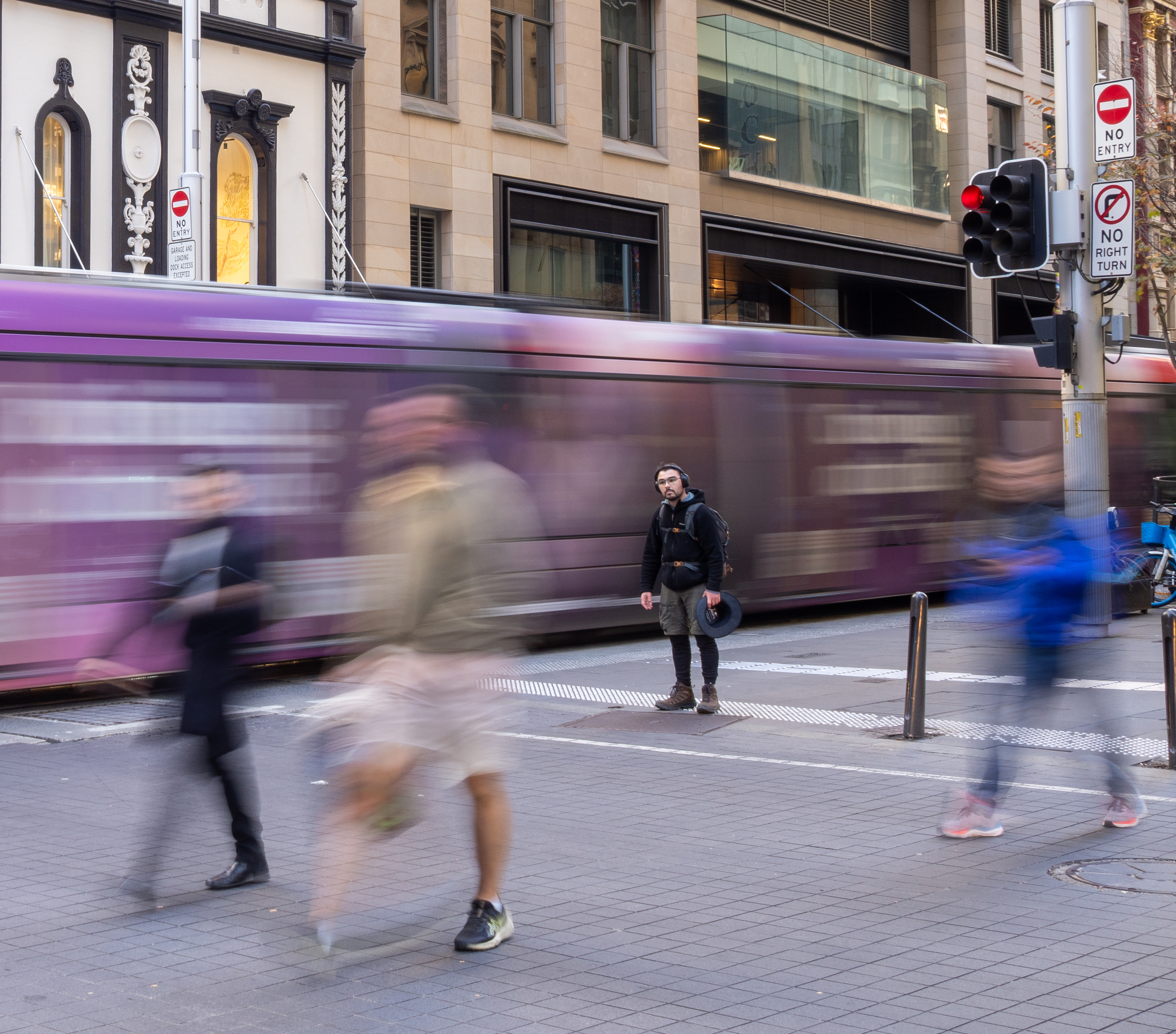
The image is one of a series of photos I took trying to capture, in long exposure, a Sydney tram painted predominantly in a blue advert. My goal was to capture both the movement of the tram, as well as that of several pedestrians moving through the foreground. I captured a yellow tram, then this purple tram, then a green one, then the blue one without moving pedestrians, then finally, the blue one with people moving through the foreground as I wanted.

When I loaded the photos from the day into my photo editor, there was a surprise for me: in every photo in the series stood the lone motionless figure in the mid-ground. Shooting through my optical viewfinder, I hadn’t even noticed him in my concentration to capture the specific tram and the pedestrian movement. My inital reaction was one of delight at this serendipitous, unintended element of the composition, which I feel provides an interesting visual counterpoint to all the movement.

Take a closer look at the image; what else do you notice? Is there any detail that grabs your attention? Does it provoke in you an emotional response? If so, is it difficult to articulate?

When I looked more closely at the lone figure, at his overall demeanour, the expression on his face, and his absolute stillness, I suddenly felt sad. While he does not seem physically lost or distracted (as he would if he were on a phone), he appears to me to be completely immersed in some inner melancholy state, while city life goes on around him.

My visceral, emotional response is what Roland Barthes coined the punctum (a Latin word for puncture or wound) of a photo, an unintended compelling detail that punctures the studium and “pricks” or “wounds” the viewer.

The thing about the punctum is that it’s an intensely personal and subjective emotional sting. Not everyone who views this photograph would experience it. For some viewers, there may be another detail in the photo that constitutes the punctum or there may be none. It’s phenomenological because it is the viewer’s lived experience of the photograph.

Take a look at your own photos to see if they contain a punctum or puncta.
What would the title of your photography autobiography be?

This post was inspired by Neale James of the PhotoWalk Podcast, who posed the title question.

In the Australian winter of 2024, I decided to spend less time working and more time doing what I enjoy. I negotiated Fridays off from work and started a weekly focused practice in the photographic genres I most love: insect macro and candid street.

The Australian city in which I live, Sydney, has the chronotype of a teenager, typically not exhibiting anything more than the necessary rote signs of human life until around lunchtime. On the other hand, insects begin their quotidian insect-y business the second their haemolymph thaws in the warmth of our east coast sun. Except in insect diapause, my Friday photographic walks loosely follows these rhythms.

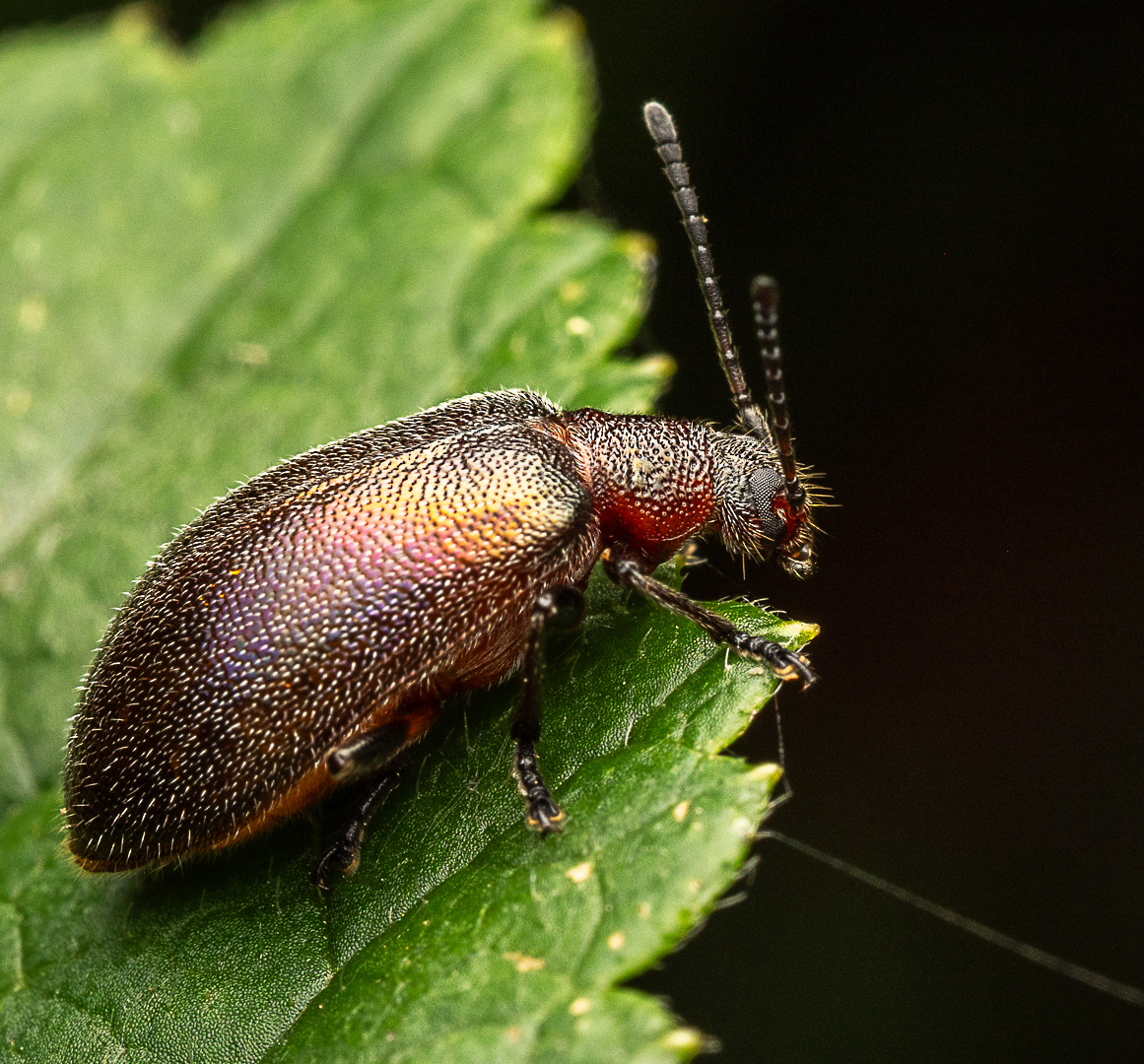
In the morning, I head out in my local suburban bushland or to one of the Sydney public gardens to photograph some of the beautiful and bizarre tiny creatures who live there.

Honeybrown Beetle, Mount Tomah Botanic Gardens, Blue Mountains, Sydney – © Kari Price
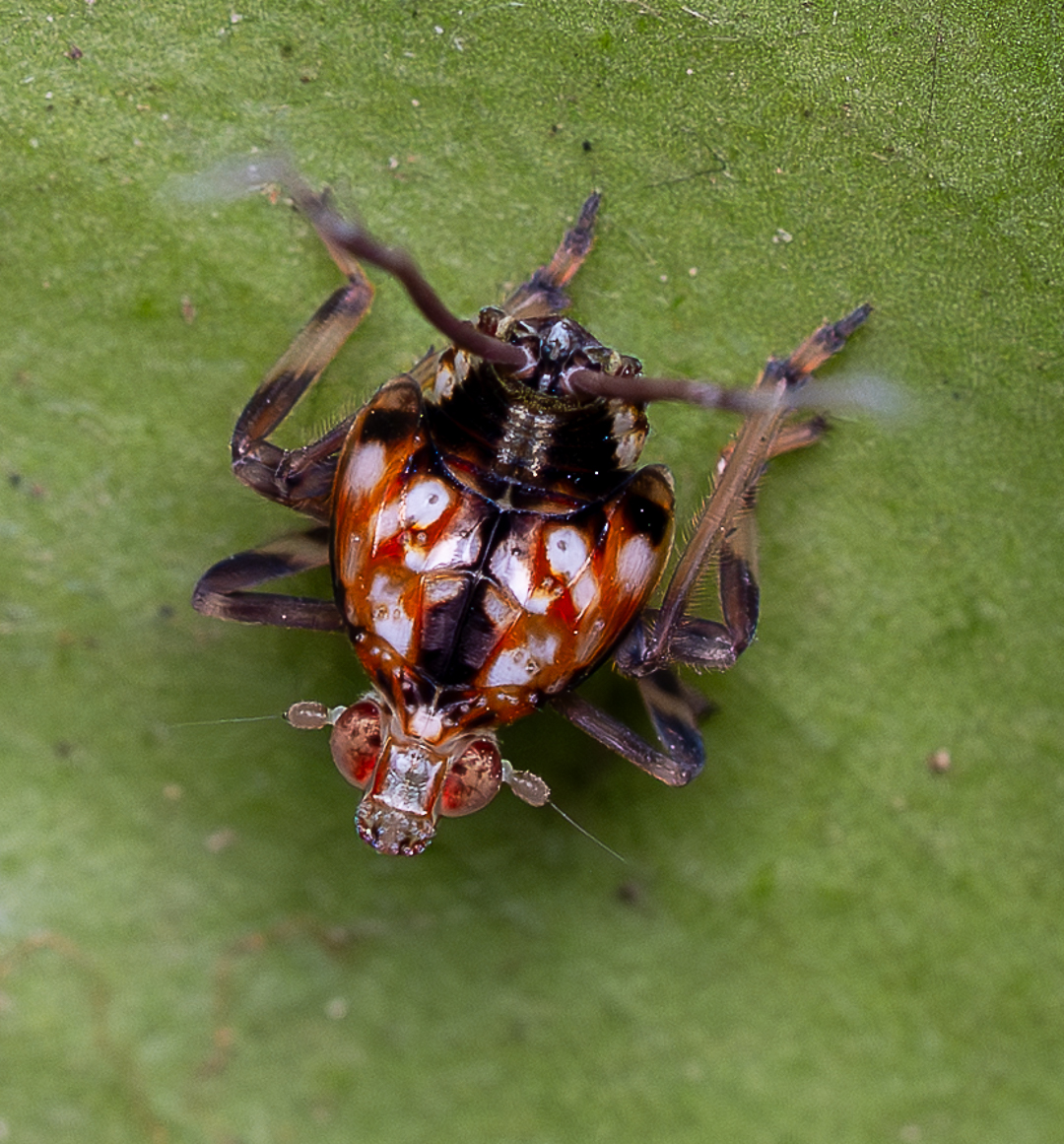
Palm Planthopper Nymph, Taronga Zoo Gardens, Sydney – © Kari Price

By noon, it’s often warm enough for all but mad dogs and crazy corporate joggers to do anything but seek out shady respite, and having walked about 7km by this stage, I head into the Sydney CBD for some lunch.

But here’s the thing: early on in my Friday jaunts, I discovered a café that serves the most delicious coeliac-friendly burnt Basque cheesecake, and then later, one that freshly bakes to-die-for gluten-free chocolate croissants, and more recently one that dares you to choose between the softest, creamiest double-layer chocolate mousse cake and the crunchiest, chewiest espresso butter, almond & chocolate roulade, or to indulge in a bit of both! And because coeliac-friendly fare in the ‘burb’ cafes where I live is generally heavy on texture (the kind that sticks to your teeth) and boringly from the same commercial bakeries, on Fridays, I abandon healthy lunches and eat delicious city cake instead.

Then, having consumed all the calories (and more) that I burnt on my morning walk, I attempt to burn more by heading into the Friday afternoon city crowd to photograph some of the beautiful, quirky and bizarre Sydney street life.

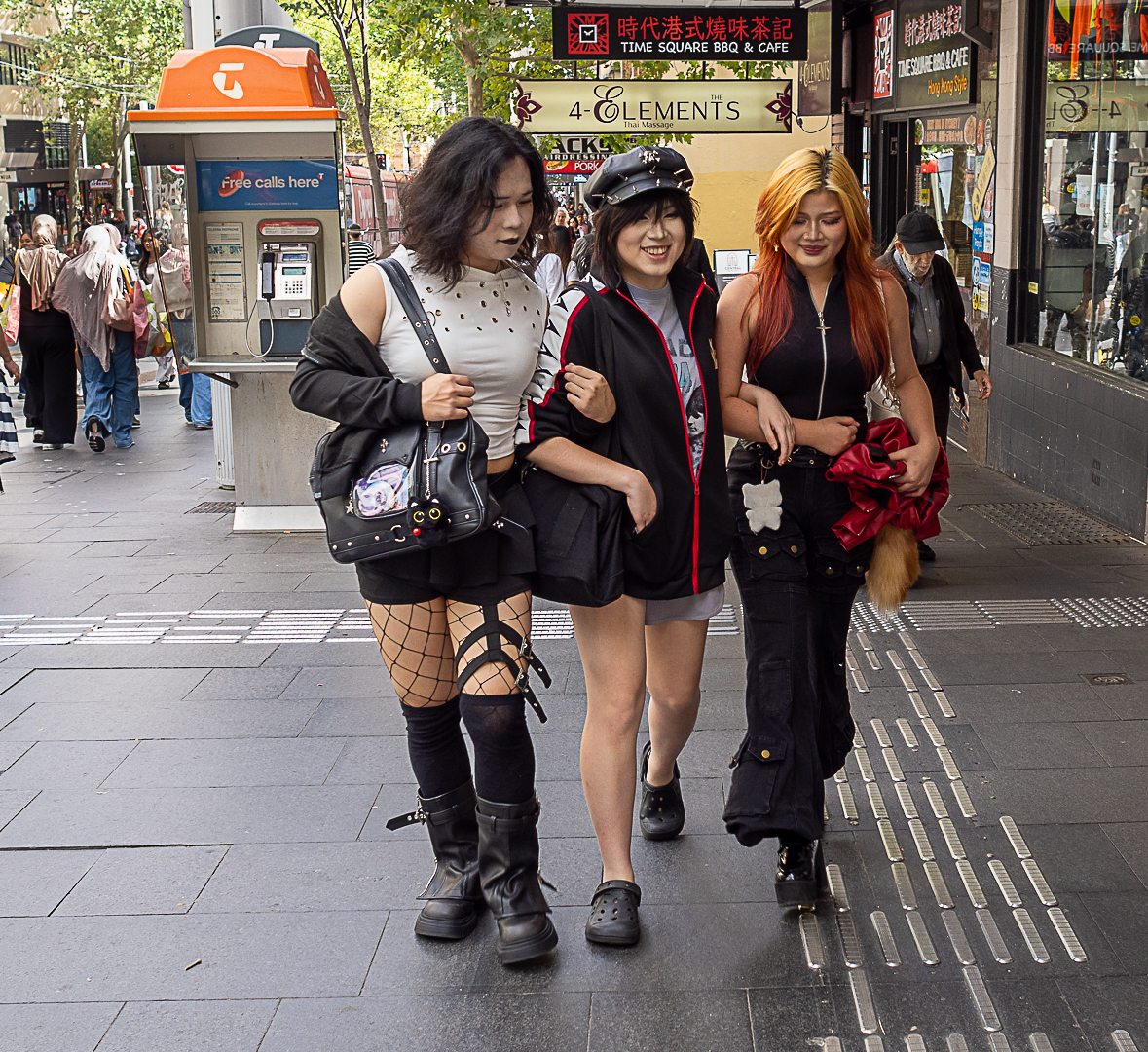
Mischief in the Making, Chinatown, Sydney – © Kari Price
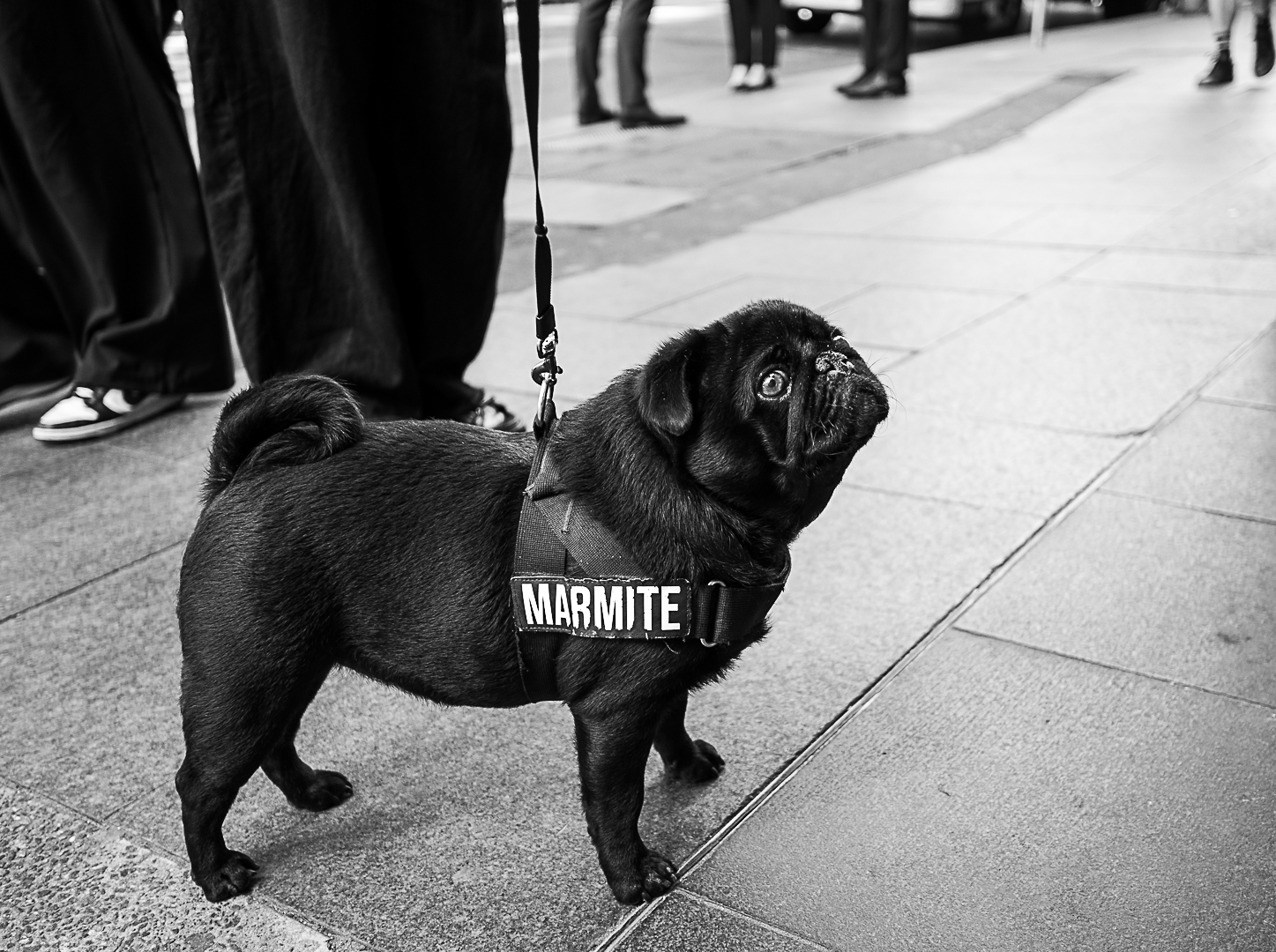
Marmite, braving the vegemite-loving streets of Sydney – © Kari Price

So, while I’m unlikely to ever write an autobiography of any kind, least of all a photographic one, if I did, perhaps an apt title would be On Fridays I Eat Cake.

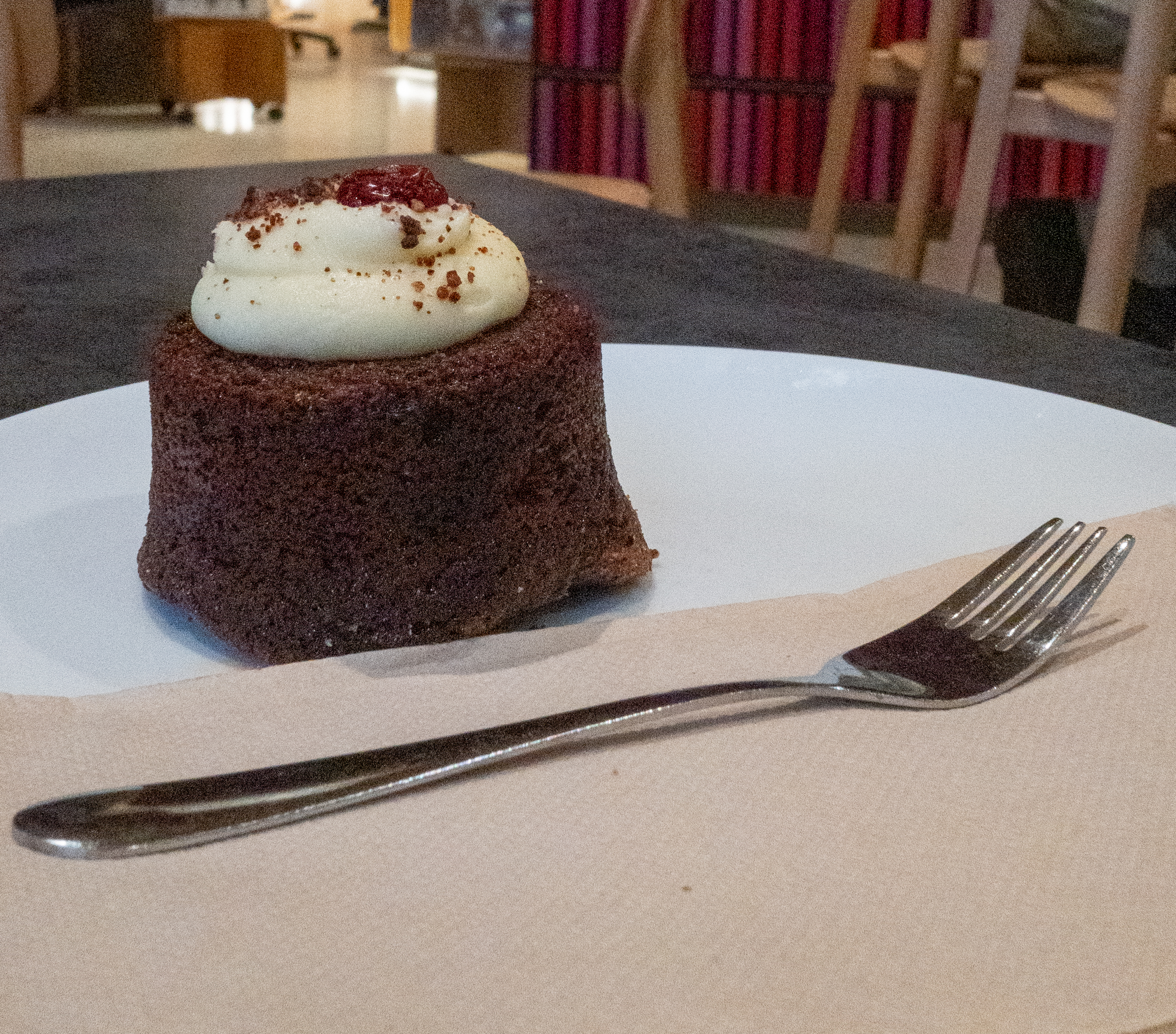
Delicious mini GF Black Forest cake at the NSW Library Cafe, Sydney – © Kari Price

Insomnia

I talk to them at 3am, my children,
I tell them about the Doomsday Vault 
in Svalbard, how it’s beset by melting 
permafrost; I talk about the hairy frogfish, the predator-
prey cycle of life, how humans keep birds 
in cages, and how travel to Proxima Centauri b
would take them 6,300 years, a little cosmic 
joke, ha ha; I explain that the gang-rape of a mother 
in Kyiv next to her child and dead husband is called
collateral damage, that the weight of a butterfly 
of uranium destroyed Hiroshima, and that no single wild species
depends for its survival on the Freak Show 
that is the Human Race; I tell them that we fail 
to learn from human history and how they are blessed 
never to have been born.

©️2022 K Price

Mr Tait

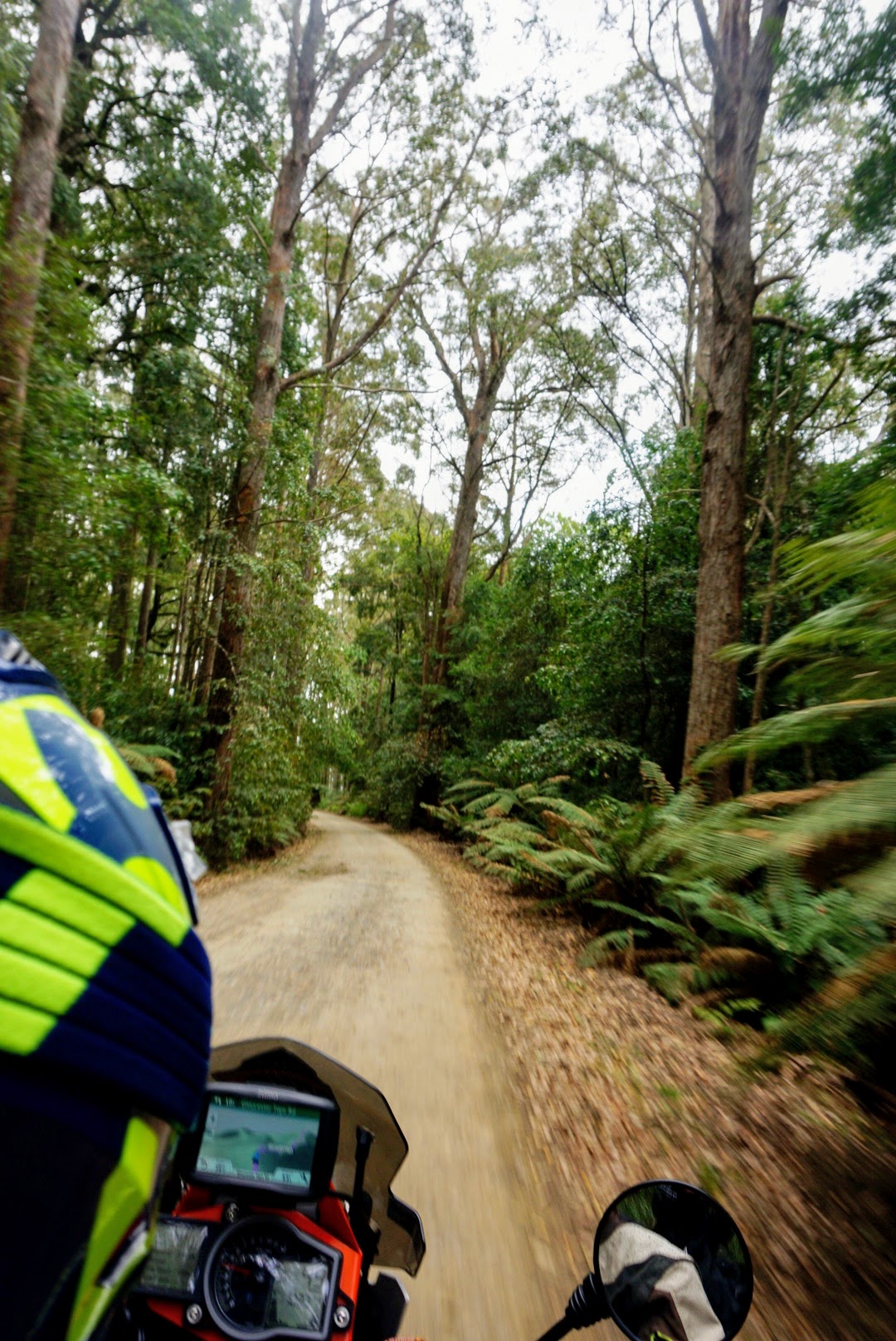
As I ride pillion through this primeval forest, I don’t think
of the ancient trees, how they give us the smooth paper leaves
on which we love to press down with granite
made from the centre of the earth; 
nor of the fungi beneath, how one fruiting body brings us certain death
and another alters our consciousness
with its saprotrophic strangeness;
nor of the native bees, how their furry-bodied industries
sustain our food security and survival
as a species;

but instead

of Mr Tait, whose smile 
was a warning, and how he taught
us to bookmark a book with its own pages
without damage, and how he showed us how to mitigate
injury from possible falls when using a chair 
as a ladder, and how he use to call 
all the boys Fathead!

©️2020 K Price

Country Churches

Astride the KTM beast, we ride
the country roads of New England, passing mini
country churches not big enough to swing
an axe (other than the verbal kind). At the crossroads
in one hamlet, there are two, along with a pub
and a servo, and I wonder if on Sundays
the population of around 150 evenly splits
itself between the green fibro Catholic and the beige fibro
Anglican House of God diagonally opposite. Or do the agnostics
and atheists muddy the holy water? Truth is
I’ve never seen any flock
to attendance, so who goes there? The farmers
praying for rain? The fossickers praying
for that nugget, the alcoholics praying for forgiveness
for beating their wives and children senseless after one
too many at the public house on a Friday night?
Or are these houses of worship mere relics
of the past along with the town’s faith
on account of all that flood, fire
and filicide?

©️2020 K Price

In the Paddock

Leaning into corner after corner on a wheat-
fringed country road, we come upon
a pair of vintage Renaults sitting side by side
in the paddock, like an old couple enjoying
the sun. But age has wearied them and the years
condemned to a slow rusting death, the for-sale sign
long faded. Who drove them to their final destination
full of hope they would go as a bonded
pair to loving home?

©️2020 K Price

Isadora

I’m riding pillion on the KTM beast
when our silhouette on the damp bitumen paints my scarf flying
like a Siamese fighter’s tailfin in the slipstream

and I think of you
Isadora

and wonder if in that nano-second that the forces of the universe conspired
to smash you into the cobblestones of the Riviera
you had a chance to think:

How absurd!

I tuck in the delinquent ends
I wouldn’t want your spectacular end
to be in vain.

©️2020 K Price

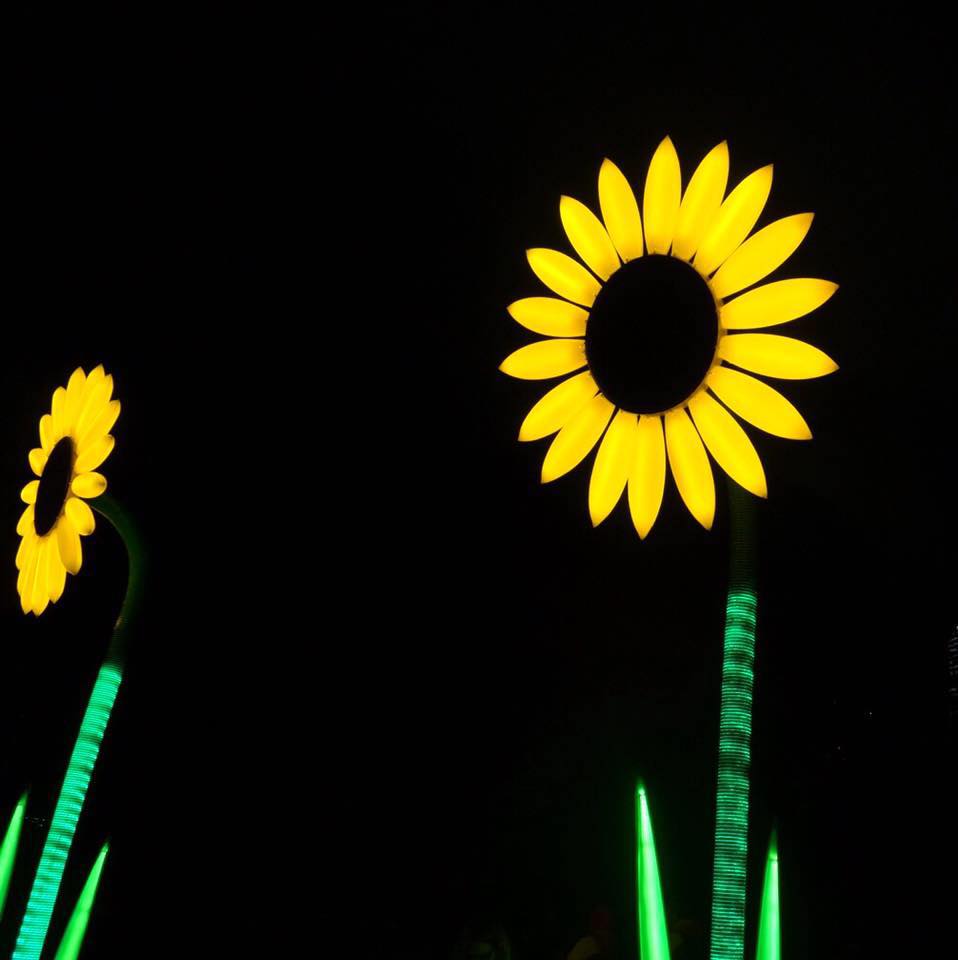
Vale Cynthia Jobin

Sunflowers

On my return to blogging in April, I was deeply saddened to discover that one of my favourite poets of all time had died in December 2016.

Cynthia Jobin was a blogging friend and a masterful poet, whose art was superior in form, structure and rhythm. But what I love most in her work is the way she infused it with mischief. Her intellect and humour shines through her poetry.

Sadly, Cynthia’s WordPress site is no longer up. I hope her unpublished work will not be lost.

I will miss you, Little Old Lady. You were a beautiful light in the darkness.

Goodbye, Cynthia Jobin

Cherry on the top

My work meeting finished at 4pm. I still had minutes to type but was also due to meet a friend for dinner and the theatre at 6:30pm on the other side of The Bridge.

Anybody who lives in Sydney knows that trying to get across the Sydney Harbour Bridge by car into the city from 5pm onwards gobbles time. So I made the journey at 4 and typed the minutes here. A lovely way to end the work day.

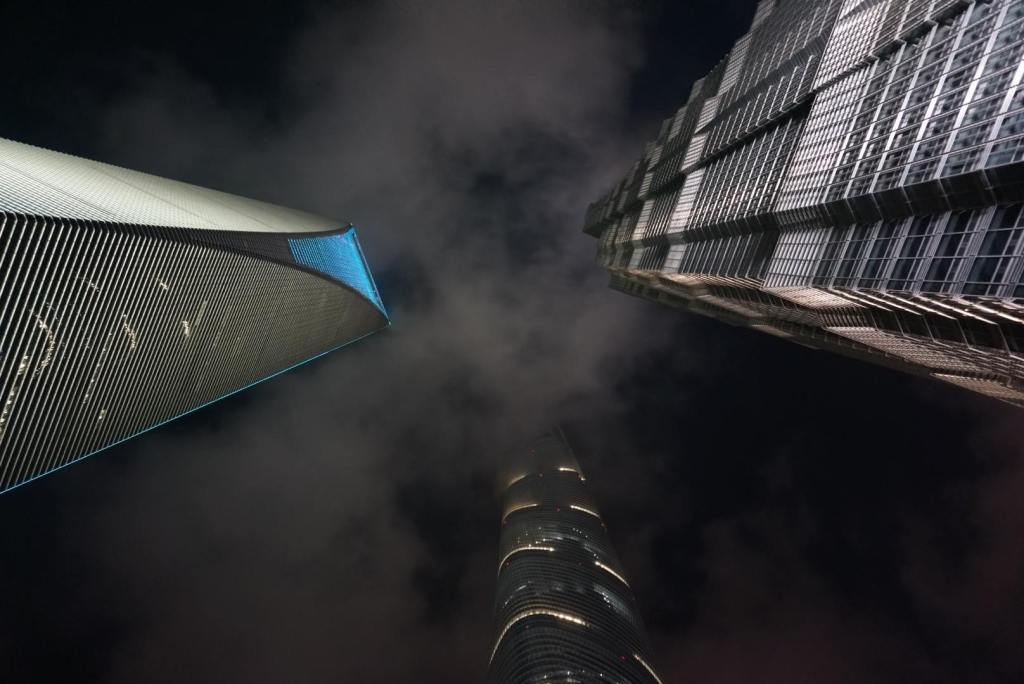
Look Up

bb - lu1

Concealed in the sameness
the faded blue suit
Clark Kent by day
Who cares, who cares to look?

But out there
when darkness falls
it’s kite-flying breathtaking riddles
out of dayshadows, an infinite teasing
of zetetic minds
unphysics exploding:

The Universe –
ultimate mystery man.

Opposites

bb- opposites

Ugg Boot Face-off

To find oneself, at 50-something, studying astrobiology (under duress) as a subject in a Bachelor of Arts (Linguistics) degree is a little discombobulating, to say the least. Particularly if your last contact with the fields of chemistry, mathematics and physics was some 30-odd years ago (and geology, never). But the university at which I’m studying crawling through my degree has a rule (which only came into effect after I started) that every undergraduate student must complete a Planet unit and a People unit outside of their stream in order to complete said degree.

So, every week this semester just past, a very grumpy band of Arts students, including me, would huddle together in the prac room, muttering furiously over concepts such as chirality; and biomarker composition; and whether the lump of rock before us was sedimentary, metamorphic or igneous; and whether another lump of rock before us was a stony, iron, or stony-iron, meteorite; and whether the earth was oxic or anoxic when another lump of rock before us was formed.

On the opposite side of the room, sat a bunch of engaged, aspiring astrobiologists, scientists and geologists, who spoke in a language even the polyglot Arts student doesn’t care much for. We were strange bedfellows; almost different species. 😀

What a discomfiting experience.

But, it blew my mind!

I learnt so much. About how far (and not) scientific knowledge has come since I was at school; why the exploration of our solar system (so what’s the big deal about a bunch of dead rocks and gassy balls in the sky?) is deeply interesting; the mysteries of the vast and strange universe that we find ourselves in; and, most fascinating of all, the extent of the microbial and extremophile world around, beneath, on, and in us. I even had a bit of fun with the Design-a-Lander-for-Titan assignment (the tutors mentioned that they were looking forward to the Arts students’ designs. Yeah, I thought, some comic relief).

There is much value in seeking out our opposites and differences in knowledge, beliefs, philosophies and interests.

What have you learnt recently that has broadened your mind?

Shanghai

Tonight

I’m in a city of 14.50 million

(give or take a few, including me)

souls. I know no-one

here. I’m a nano-human, a speck

in the smog. I make myself big

riding the subways with no-one

with light-coloured hair. No-one notices

the gweilo; the ghost-person, I think,

until I step into the deluge at Shanghai

Library, and a dark-haired

girl steps in time beside me,  her umbrella

banishing the rain, her words, my ghostliness

“Where are you going?

Can I take you there?”

image


The Unanswerable Question

Cynthia Jobin, over at  littleoldladywho.net, is one of the finest poets I’ve read. Her poems are exquisitely crafted, evocative, and at times wonderfully mischievous.

A recent poem of Cynthia’s – The Palpable Obscure – is a spine-tingling evocation of the ongoing mystification endured by those of us who have experienced the death of a loved one.  In it, she writes:

“Once a day, at least, I stop to wonder
where you are.”

Is this puzzlement not at the very heart of the Human Condition?

If my father were alive today, the 27th November 2015, he would be 83. I started this blog mainly as a response to the lingering grief I felt about his dying. And this poem, which I first posted on the 27th November 2010, is about the day he died.

Like Cynthia, I still wonder…

Eternal Mysteries ( a repost)

With the ring back on your finger
you sighed and slipped away
but forever it’s a mystery
where you went that day

Did you see them watching you
and whispering in your ear?
When you took your final journey,
did you know that they were there?

Did you sense that we were not?
No-one can ever know,
yet child-like we still ask ourselves –
that day, where did you go?

————————–

Change

Change (sometimes welcome, sometimes not) is an inevitable part of life and is etched in our histories.

I live in Australia and have extended family on four continents. We were all born and raised in Africa and in our lives there, as well as in our migrant lives, have experienced our fair share of change.

My husband and his siblings grew up in Africa, too, but his maternal grandparents, mother, and uncle were migrants from Sweden, where they had previously landed as refugees after fleeing from their homeland of Estonia (Australia would refer to them as boat people), when the Russians invaded Estonia in the 1940s. In their family, migration and change is epigenetic: my husband now lives in Australia, his middle sister in Sweden.

We have long wanted to visit the birthplace of their mother and maternal grandfather—the island of Hiiumaa off the coast of Estonia—and finally got to do so recently. Change is not always as good as a holiday, but a holiday often brings a welcome change of focus and pace, and we had wonderful trip.

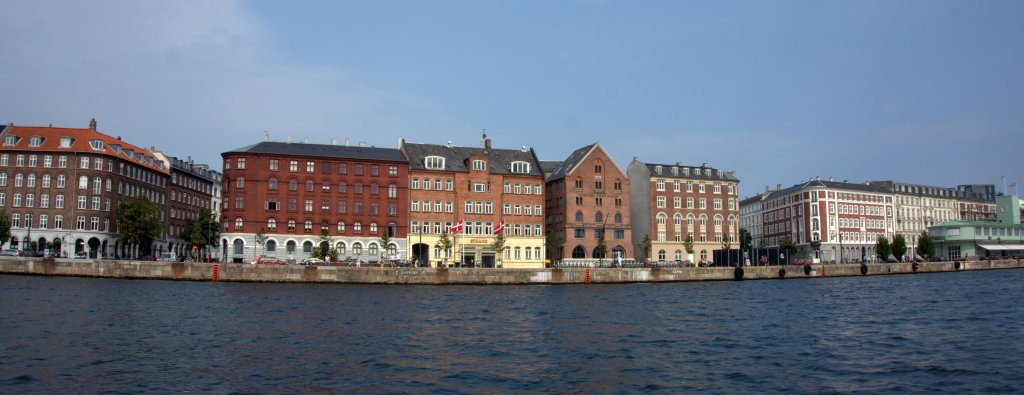
Our journey first took us to Copenhagen, where we spent a convivial weekend catching up with dear cousins of mine over delicious home-cooked meals and copious amounts of wine.  bb-ch01

And then we had a wonderful two weeks with my husband’s sister and her husband (a Swede, who she met when he lived and worked for a time in Africa) in their beautiful home in semi-rural Sweden, an idyllic place.

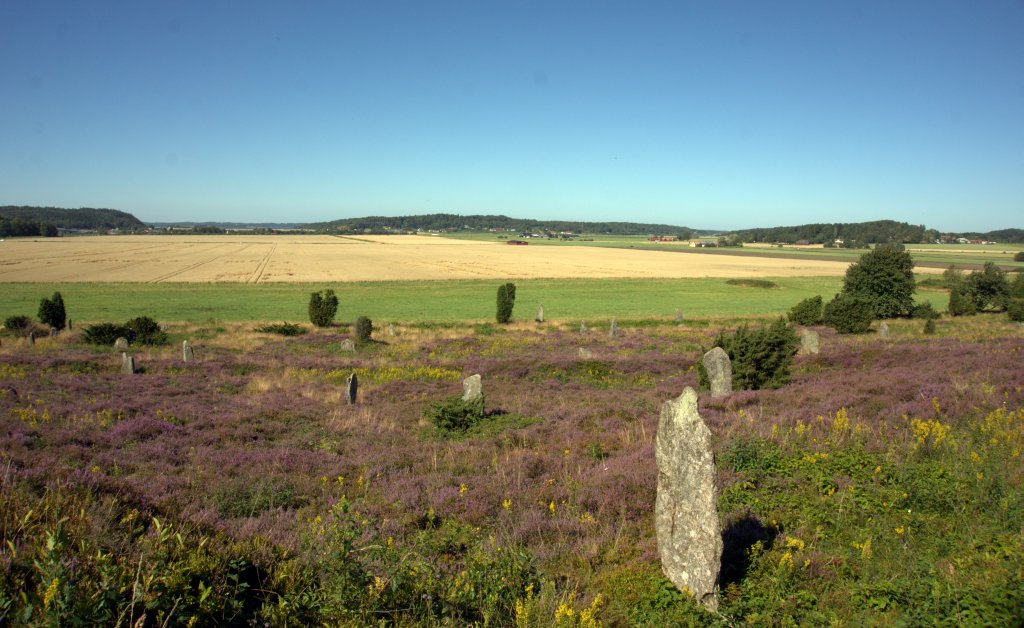
Viking Rune Stones

Viking Rune Stones

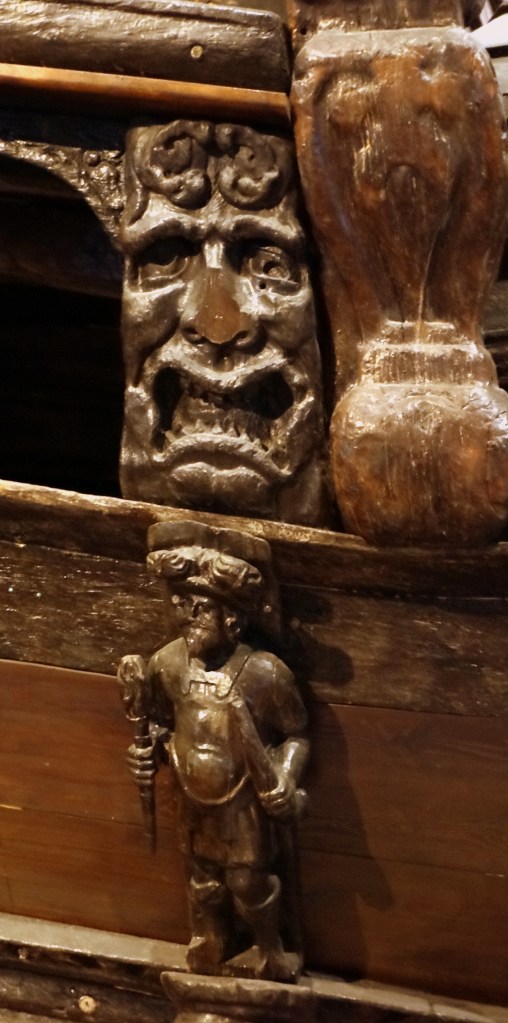
Stockholm was next for a few days, where we experienced the charm of the cobbled streets of Gamla stan, the marvel that is the Vasa Museum, and the strange art in the Stockholm subways.

Ship Detail - Vasa Museum

Ship Detail – Vasa Museum

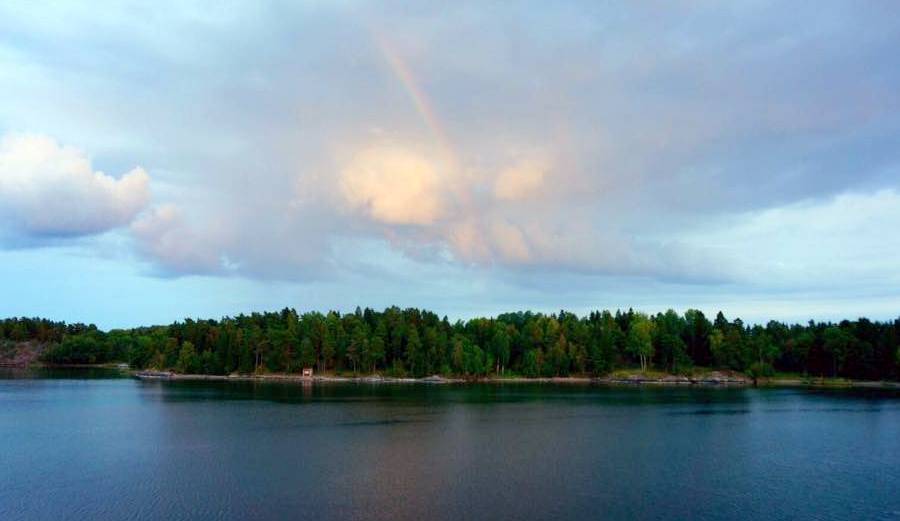
We caught the overnight ferry from Stockholm to Tallinn, worth it alone to experience the beauty and vastness of the Stockholm archipelago. bb-ch03

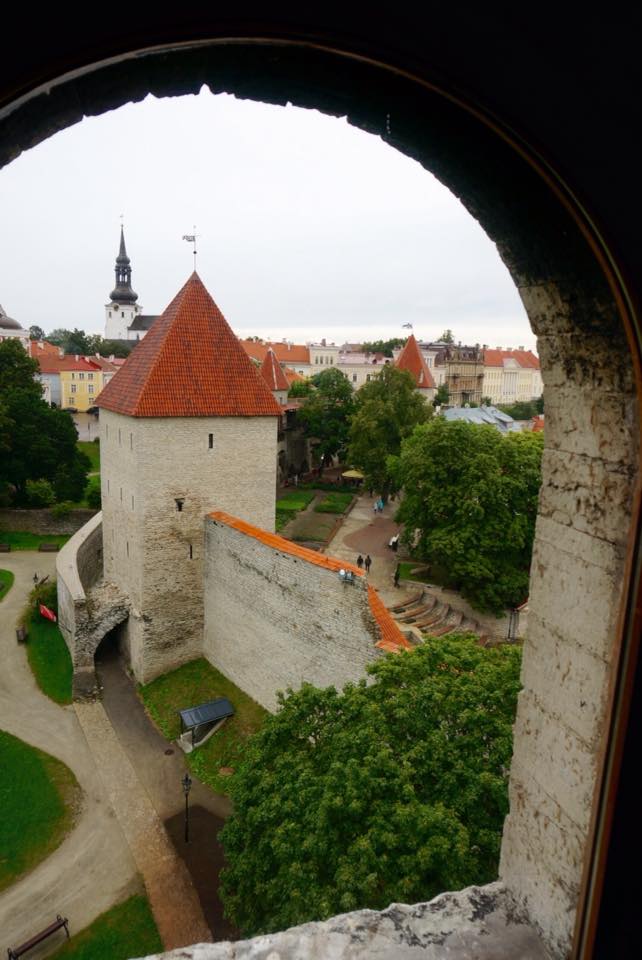
Our few days in Tallinn left an impression of an aesthetic mix of the medieval, the modern, and the Soviet Brutalist. And the memory of the best coffee we had on our entire trip.

Old Town Tallinn

Old Town Tallinn

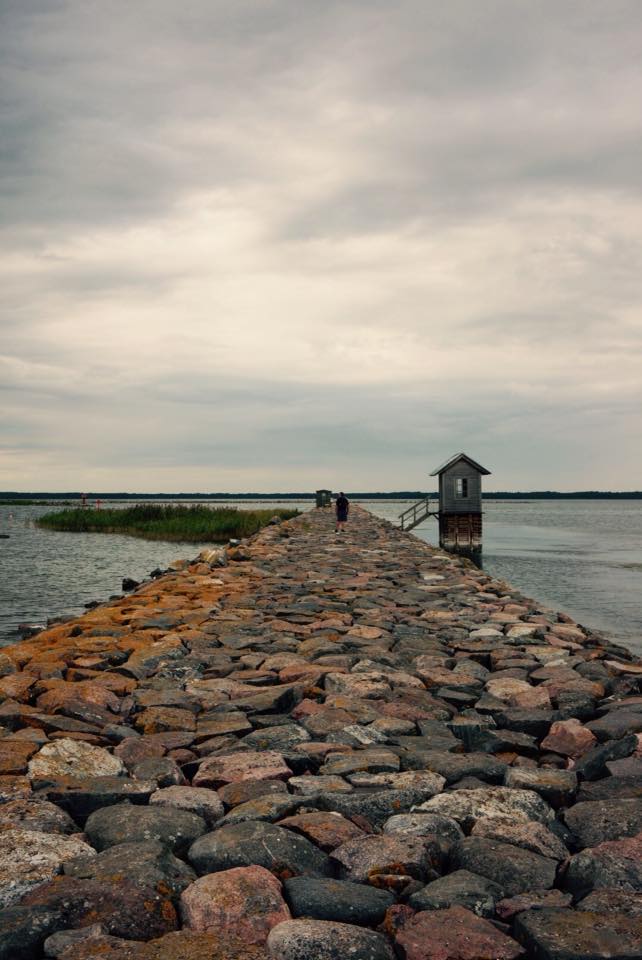
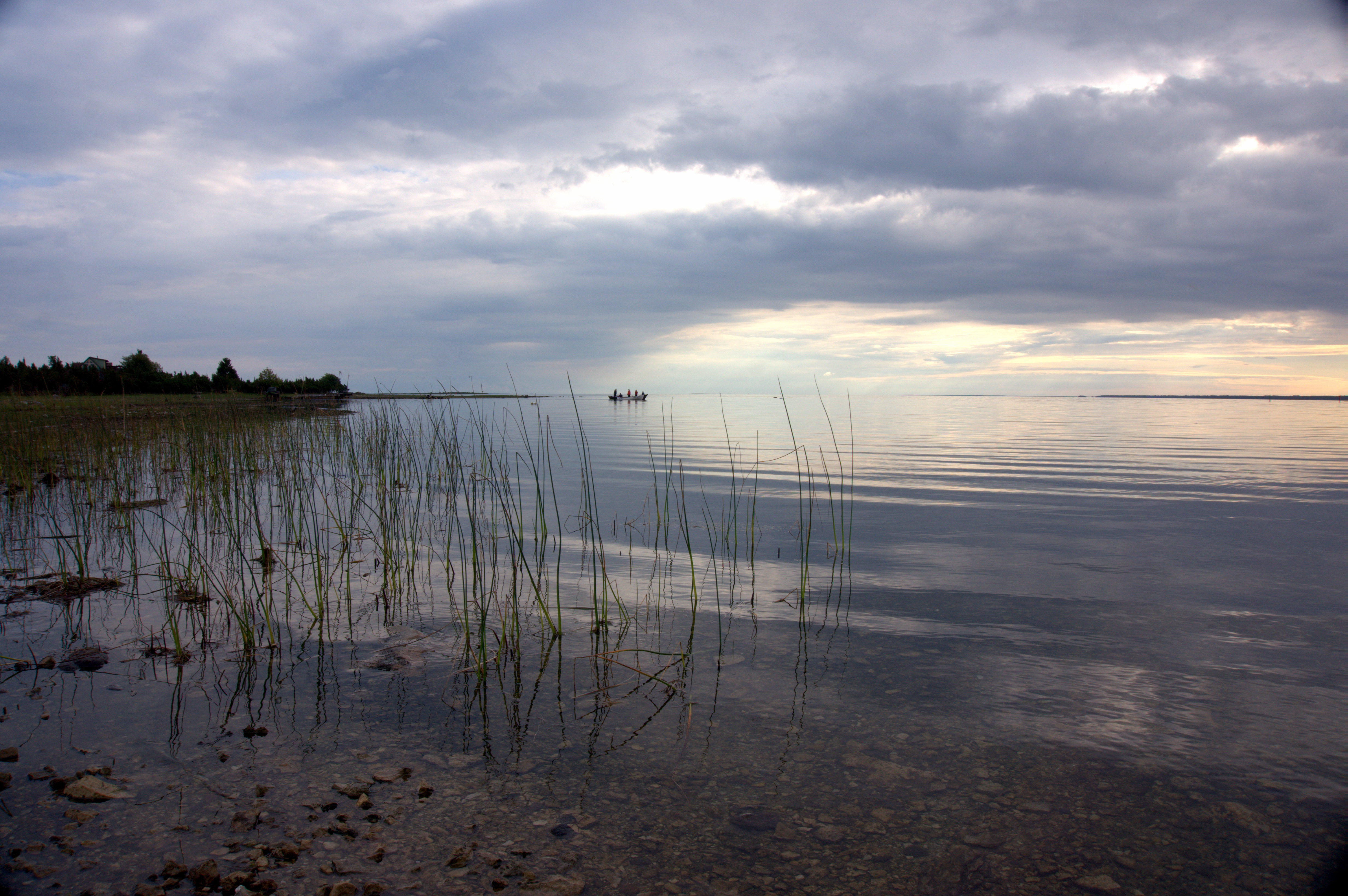
And, finally, we reached Hiiumaa – a place of wild beauty, ancient history, and, currently, peace.

Orjaku Harbour - Hiiumaa

Orjaku Harbour – Hiiumaa

Long may it remain unchanged.

Hiiumaa

bb-hm2

When the sun turns
away to southern lands
we find ourselves awake
on a strange, familiar shore
where t
hose who’ve gone
before sleep beneath moss
in forest
graves, and wild apples
jump the fences

Across the Baltic Sea
history comes full circle.


Weekly Photo Challenge: Symbol

bb-sym2

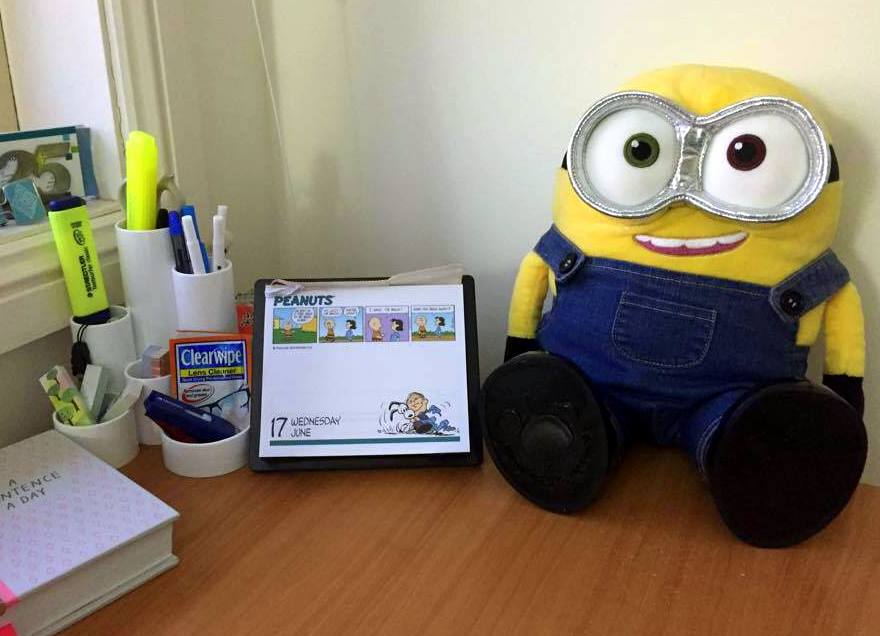
Bob—my minion, courtesy of my husband—is a symbol of my excesses:

Too much chocolate and champagne: I, like Bob, am a candidate for the cakewalk rather than the catwalk.

Too much grieving: my father, who was affectionately called Bob (not his real name) by our extended family, died 13 years ago, but his ghost still looms at dawn.

Too strange a sense of humour: dark, subversive, and sometimes toilet.

And now I’m laughing too long and too loud.

Have a silly weekend.

😀

For more entries to this week’s WPC, see The Daily Post.